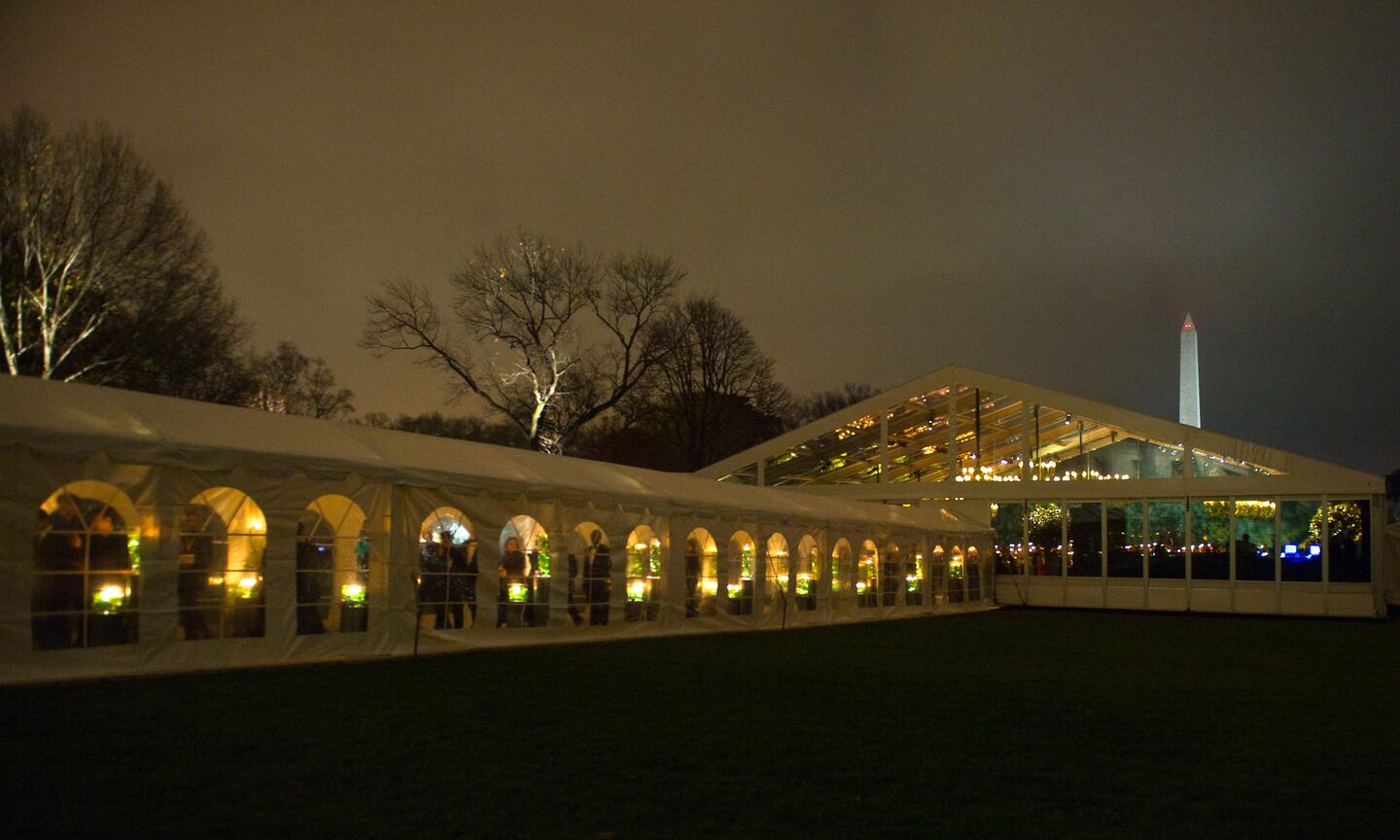
The idea of honoring Donald Trump with a dedicated ballroom in a prominent Republican-controlled venue has sparked fierce behind-the-scenes debate—but no clear path forward. Despite vocal support from some party loyalists, Hill Republicans remain fractured on both the logistics and symbolism of the proposal. There’s bipartisan resistance, public skepticism, and no consensus on funding, location, or authority. For all the noise, the ballroom remains a political mirage: talked about, wanted by some, but unrealized.
This isn’t just about architecture or event space. It’s about legacy, loyalty, and the GOP’s post-Trump identity. The struggle to move the ballroom initiative forward reflects a party still negotiating its future—caught between honoring its most dominant figure of the past decade and navigating the realities of governance, optics, and electoral pragmatism.
Why the Ballroom Matters Beyond the Name
To dismiss the ballroom as a vanity project misses the subtext. In Washington, naming rights aren’t just ceremonial—they’re power markers. The Rayburn Building, the Dirksen Senate Office Building, even the Reagan Room in the Eisenhower Executive Office Building: these names anchor influence and ideology into the physical landscape of American politics.
For Trump allies, a “Trump Ballroom” symbolizes permanence. It’s not just about a room; it’s about institutional validation. But unlike past presidents honored years after leaving office, this push comes amid ongoing legal battles and an active political comeback bid. That timing complicates everything.
Supporters argue it would be a venue for GOP fundraising galas, conservative forums, and youth leadership summits—events that could carry Trump’s imprint for decades. Critics counter that using public or party funds for such a space during a time of national debt and political polarization is tone-deaf at best.
Internal GOP Divisions Stall Progress
Behind closed doors, Republican leadership is deeply split. Some House members from swing districts fear backlash from moderate voters. Others worry the optics could hurt Senate candidates in blue states. Then there are the traditionalists—those who believe honoring a sitting former president so soon, especially one who hasn’t won a second term, breaks precedent.
One senior aide from a Midwestern congressional office admitted off the record: “We’re not scared of Trump. We’re scared of the backlash when we try to fund something like this using party infrastructure. It looks bad. It feels transactional.”
The National Republican Congressional Committee (NRCC) and Republican National Committee (RNC) have both avoided official endorsements. While the RNC has hosted rallies at Trump-owned properties, committing party resources to build or designate a permanent ballroom is a different level of affiliation.
No Clear Venue, No Clear Authority
Even if consensus existed, no venue has emerged as a viable candidate. Options have been floated:

- The RNC Headquarters in Washington, D.C. – Limited event space; major renovations would be needed.
- Trump International Hotel (D.C.) – Already bears his name, but is privately owned and no longer operated by the Trump Organization.
- Conservative think tank conference centers – Organizations like Heritage Foundation or American Enterprise Institute have large halls, but resist political branding.
- State GOP headquarters in Florida or Texas – Geographically inconvenient for national events.
- A new Republican donor-funded pavilion at a future CPAC or MAGA conference site – Theoretically possible, but years from reality.
Each option carries legal, logistical, or reputational hurdles. The federal government can’t name a public space after a living former president without an act of Congress—something that would require Democratic support, which is nonexistent. Party-controlled spaces are limited, and private venues lack the symbolic weight supporters crave.
Funding: Where Would the Money Come From?
No proposal has surfaced with a detailed budget, fundraising plan, or financial backer. That’s a red flag in political strategy circles.
Historically, named spaces are funded through: - Congressional appropriations (blocked here) - Private donor campaigns (risky, given Trump’s legal liabilities) - Party reserves (NRCC and RNC funds are tightly allocated for elections) - In-kind contributions (e.g., a donor offers land or construction)
Without a wealthy patron willing to publicly attach their name to the project, it stalls. And even if funding emerged, transparency laws and ethics rules could trigger investigations—especially if federal contractors or foreign donors were involved.
One GOP strategist noted: “We spent millions defending Trump in impeachment trials. We can’t spend $2 million on a ballroom without someone calling it a slush fund.”
Symbolism vs. Substance in Party Politics
The ballroom debate highlights a deeper tension: is the GOP a policy-driven party or a personality-driven movement?
Trump’s influence remains undeniable. In 2024, he won over 90% of Republican primary voters in key states. His endorsements sway races. His rallies draw tens of thousands. But translating that into permanent institutional recognition is proving difficult.
Other parties have faced similar challenges. The Democratic Party didn’t name a major space after Bill Clinton until years after his presidency, and even then, it was a library—not a congressional wing. The Reagan name gained prominence slowly, through think tanks and policy centers, not top-down mandates.
Republicans pushing the ballroom may be underestimating how legacy is built: not through decrees, but through sustained cultural and policy impact.
The Risk of Overreach and Backfire
There’s a real danger that pushing too hard for the ballroom could backfire.
Consider: - Media backlash: Outlets would frame it as self-indulgent, especially if taxpayer-adjacent funds were used. - Primary challenges: Moderates could use it against hardline Trump supporters in contested districts. - Donor fatigue: Major GOP donors may prefer directing funds to ads, data, or get-out-the-vote efforts over bricks and mortar. - Legal exposure: Any connection between the project and Trump’s businesses could invite scrutiny.
In 2023, a similar effort to rename a Veterans Affairs clinic after Trump in Ohio collapsed after local veterans’ groups objected. The lesson: symbolic wins can become public relations losses if not carefully managed.
What Would a Viable Path Look Like?
If Hill Republicans are serious about making the ballroom a reality, they’d need a phased approach:

- Build consensus in leadership – Without McConnell, McCarthy, or current RNC chairs on board, it’s dead on arrival.
- Choose a neutral, party-controlled venue – A future Republican convention center or training academy could work.
- Launch a private fundraising campaign – No public money, no federal ties.
- Tie it to a broader mission – Frame it as a “Conservative Leadership Center” with the ballroom as one component.
- Wait for post-2024 clarity – If Trump wins again, the path opens. If not, the urgency fades.
One possible model: the Reagan Ranch in California. It wasn’t built overnight. It wasn’t federally funded. But it became a conservative pilgrimage site through time, narrative, and donor commitment.
A Test of Loyalty or a Distraction? For now, the ballroom remains a litmus test. At county GOP meetings and donor retreats, the question “Do you support the Trump ballroom?” functions less as a policy inquiry and more as a loyalty pledge.
But in the halls of Capitol Hill, where bills are drafted, votes are counted, and power is negotiated, symbolism without strategy doesn’t pass muster. The lack of a clear path isn’t just about logistics—it’s about priorities.
Republicans control key levers of influence, but they’re using them to fight over school curricula, border policy, and spending bills—not dedicating marble plaques. Until the ballroom aligns with a larger legislative or electoral goal, it will stay in the realm of rhetoric.
Conclusion: Legacy Can’t Be Forced
The irony is this: Donald Trump has already reshaped the Republican Party more than any figure in decades. His policies, rhetoric, and base have redefined conservatism. A ballroom wouldn’t add to that legacy—it might even cheapen it.
Hill Republicans don’t need to build a room to prove loyalty. They need to win elections, pass laws, and offer a governing vision. If Trump’s influence endures, the spaces will come—organically, inevitably, and on their own terms.
For now, the ballroom remains a political footnote: wanted by some, opposed by many, and achievable by none. And that, perhaps, says more about the GOP’s present than its plans for the future.
FAQ
Why can’t Congress name a room after Trump? Federal law and tradition discourage naming public buildings or rooms after living former presidents, especially without bipartisan support. No such bill has been introduced.
Has any Republican official publicly supported the ballroom idea? A few outspoken Trump allies have mentioned it favorably in interviews, but no major GOP leader or committee has endorsed it formally.
Could the RNC fund a Trump ballroom? Technically, yes—if donors agree. But using party funds for such a project could spark internal conflict and media scrutiny.
Is there a legal issue with naming a space after Trump? Not inherently, but if public funds or federal buildings are involved, it could raise ethics or separation-of-powers concerns.
What’s the main obstacle to creating the ballroom? Lack of consensus, funding, and a suitable venue—all against a backdrop of political risk.
Would a Trump ballroom be open to the public? Unlikely. It would probably be a private event space for GOP functions, donor gatherings, or conservative conferences.
Is this idea likely to happen in the next two years? Only if Trump wins the 2024 election and Republican majorities expand significantly—otherwise, it’s a long shot.
FAQ
What should you look for in Hill Republicans Struggle to Secure Trump Ballroom Plans? Focus on relevance, practical value, and how well the solution matches real user intent.
Is Hill Republicans Struggle to Secure Trump Ballroom Plans suitable for beginners? That depends on the workflow, but a clear step-by-step approach usually makes it easier to start.
How do you compare options around Hill Republicans Struggle to Secure Trump Ballroom Plans? Compare features, trust signals, limitations, pricing, and ease of implementation.
What mistakes should you avoid? Avoid generic choices, weak validation, and decisions based only on marketing claims.
What is the next best step? Shortlist the most relevant options, validate them quickly, and refine from real-world results.