Safety doesn’t start with policy documents buried in a binder—it starts with conversation. And in high-risk environments like construction, manufacturing, or utilities, that conversation often happens in the form of a toolbox talk. These short, focused safety meetings are critical for reinforcing protocols, addressing hazards, and keeping teams alert. But organizing them consistently can be a challenge—especially when you’re scrambling for content.
That’s where toolbox talks free PDF resources come in. They’re not just templates to print and read—they’re structured, actionable guides that help supervisors lead meaningful discussions without starting from scratch. The best ones are concise, visual, scenario-based, and aligned with real-world risks.
Here’s how to find, use, and maximize free PDF toolbox talks—without falling into common pitfalls.
Why Free PDF Toolbox Talks Work (When Done Right)
A toolbox talk isn’t a lecture. It’s a 5-10 minute dialogue meant to engage workers, spotlight a specific hazard, and confirm understanding. Done well, they reduce incidents. Done poorly, they become routine noise—“another meeting” employees tune out.
Free PDF toolbox talks succeed when they:
- Focus on one clear topic (e.g., “Ladder Safety,” “Working in Confined Spaces”)
- Include real-life examples or near-misses
- Offer discussion prompts, not just facts
- Use plain language, not jargon
- Are printable and accessible on-site
Example: A PDF on “Hand Safety” might open with a photo of a damaged glove, list common hand injury causes (cuts, pinching, chemical exposure), and ask: “What PPE do we use when handling rebar?” That prompts engagement—not passive listening.
But not all free PDFs are equal. Many are outdated, too generic, or lack actionable steps. The best ones mirror your actual worksite conditions.
Where to Find High-Quality Free PDF Toolbox Talks
You’ll find hundreds of “free” toolbox talk PDFs online. Most come from government agencies, safety organizations, or contractor resource portals. But quality varies widely.
Here are 6 reliable sources for genuinely useful toolbox talks free PDF downloads:
| Source | Strengths | Limitations |
|---|---|---|
| OSHA (U.S. Department of Labor) | Official, compliant, hazard-specific | Can be bureaucratic in tone |
| NIOSH (CDC) | Research-backed, health-focused | Less field-ready for quick talks |
| HSE (UK Health and Safety Executive) | Practical, scenario-based | Metric units, UK regulations |
| Construction Industry Institute (CII) | Industry-specific, detailed | Requires registration for full access |
| SafetyNow | Modern, visual, ready-to-use | Mix of free and paid content |
| WorkSafeBC | Clear formatting, discussion questions | Geared toward Canadian regulations |
Pro Tip: Look for PDFs that include a sign-in sheet or attendance tracker at the end. This helps with compliance and shows regulators you’re documenting safety efforts.

Avoid random blog posts with “100 free toolbox talks” ZIP files. These often bundle low-effort content, duplicate material, or contain outdated standards.
How to Adapt Free PDFs to Your Site’s Needs
A toolbox talk about “slips, trips, and falls” might be free and well-designed—but if your crew works on scaffolding 30 feet up, the example about wet floors in a warehouse won’t land.
Customization is key. Use free PDFs as a foundation, then tailor them:
- Add site-specific details
- Replace generic images with photos from your job site. Example: Instead of a stock photo of a hard hat, use one of your crew wearing branded PPE.
- Update the discussion questions
- Turn “What should you do if you see a spill?” into “Who’s the spill response lead on Shift B?” This makes it relevant.
- Localize for your team
- If your crew speaks multiple languages, translate key points. Even a one-page summary in Spanish or Tagalog increases comprehension.
- Track and rotate topics
- Use a 52-week calendar to ensure you’re covering critical areas (fall protection, electrical safety, heat stress) at least annually.
Real Mistake to Avoid: Using the same “Fire Safety” talk every April. Workers notice repetition. Rotate variations—e.g., “Fire Extinguisher Use,” “Emergency Evacuation Routes,” “Hot Work Permits.”
Top 5 Free PDF Toolbox Talk Templates
You Can Use Today
Here are five high-impact, downloadable toolbox talk PDFs—each available at no cost and proven in real-world settings:
- “Working at Heights” – OSHA.gov
- Covers fall protection systems, harness checks, and anchor points. Includes a quick inspection checklist. Ideal for roofing or steel erection crews.
- “Hot Work Safety” – WorkSafeBC
- Focuses on welding, cutting, and brazing hazards. Highlights fire watch duties and permit requirements. Great for maintenance teams.
- “Hand Safety” – SafetyNow Blog
- Visual-heavy with injury stats and glove selection guide. Works well for manufacturing or material handling.
- “Toolbox Talk: Back Safety” – NIOSH
- Addresses lifting techniques, ergonomics, and early symptom reporting. Useful for warehouse and logistics teams.
- “Heat Stress Awareness” – CDC/NIOSH
- Breaks down risk factors, acclimatization, and hydration. Perfect for outdoor crews in summer months.
All are downloadable as PDFs, printer-friendly, and include space for signatures. No email capture or paywall.
Common Mistakes That Kill the Impact of Free PDF Talks
Even the best free resource fails when used poorly. Watch for these red flags:

- Reading verbatim – Toolbox talks are conversations, not monologues. Put the PDF down and speak naturally.
- Ignoring attendance logs – No signatures = no proof. Always record who attended.
- One-size-fits-all delivery – A talk for electricians shouldn’t be reused for drivers.
- Skipping follow-up – Did workers start using fall arrest gear after the “Working at Heights” talk? Check.
- Using outdated PDFs – Old OSHA standards or expired contact info reduce credibility.
Workflow Tip: Assign a rotating safety lead each week. They pick the topic (from your free PDF library), lead the talk, and file the signed sheet. Builds ownership and reduces supervisor burnout.
How to Build Your Own Free PDF Library (Without Starting From Scratch)
You don’t need design skills or a big budget. Start with 3 steps:
- Curate 10 high-quality free PDFs from trusted sources (like those listed above).
- Rebrand them slightly—add your company logo, site name, and emergency contact at the top.
- Organize by category (e.g., Electrical, Fall Protection, PPE) in a shared folder or printed binder.
Now you have a ready-to-use safety library. Update it quarterly by replacing 2-3 talks with fresh ones.
Bonus: Pair each PDF with a 60-second site walk. Example—after the “Eye Protection” talk, do a quick scan: Are safety glasses being worn correctly? That closes the loop between talk and action.
Making Free PDFs Part of Your Safety Culture
A toolbox talk isn’t complete when the PDF is filed away. Real impact comes when behavior changes.
Link your free PDF talks to observable actions:
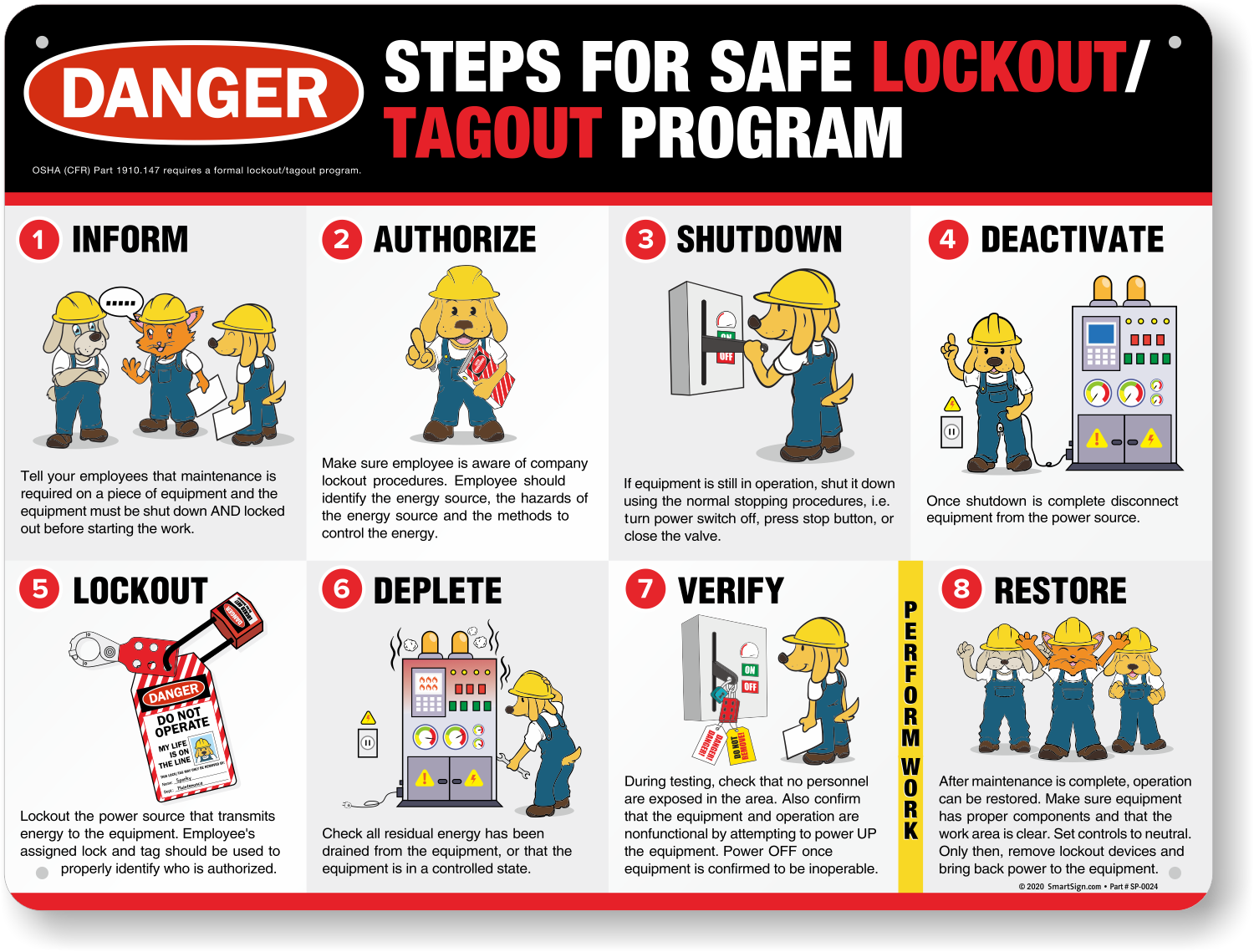
- After “Lockout/Tagout,” check if energy isolation points are clearly labeled.
- After “PPE Compliance,” spot-check whether ear protection is worn in noisy zones.
- After “Near-Miss Reporting,” track if reporting rates increase.
When workers see that the talk leads to real change, they take it seriously.
Also, mix in employee-led talks. Let a seasoned worker use a free PDF as a base and deliver it in their own words. Authenticity beats polish every time.
Final Thoughts: Free Doesn’t Mean Low Value
“Free PDF” shouldn’t be a red flag—it should be an enabler. The right toolbox talk in PDF form can prevent injuries, satisfy compliance checks, and strengthen team communication.
But only if it’s used with intent.
Don’t just download and distribute. Adapt, engage, follow up. Treat each free PDF as a starting point for a real conversation—not a compliance checkbox.
Build a lean, living library of safety content. Use it weekly. Measure what changes. That’s how free resources deliver premium results.
Action Step: Download three free PDF toolbox talks today from OSHA, WorkSafeBC, or SafetyNow. Run one this week with your team—customize it, gather signatures, and observe behavior after. Small effort. High return.
FAQ
What should you look for in Toolbox Talks Free PDF: Practical Safety Resources for Teams? Focus on relevance, practical value, and how well the solution matches real user intent.
Is Toolbox Talks Free PDF: Practical Safety Resources for Teams suitable for beginners? That depends on the workflow, but a clear step-by-step approach usually makes it easier to start.
How do you compare options around Toolbox Talks Free PDF: Practical Safety Resources for Teams? Compare features, trust signals, limitations, pricing, and ease of implementation.
What mistakes should you avoid? Avoid generic choices, weak validation, and decisions based only on marketing claims.
What is the next best step? Shortlist the most relevant options, validate them quickly, and refine from real-world results.